
Cart 0

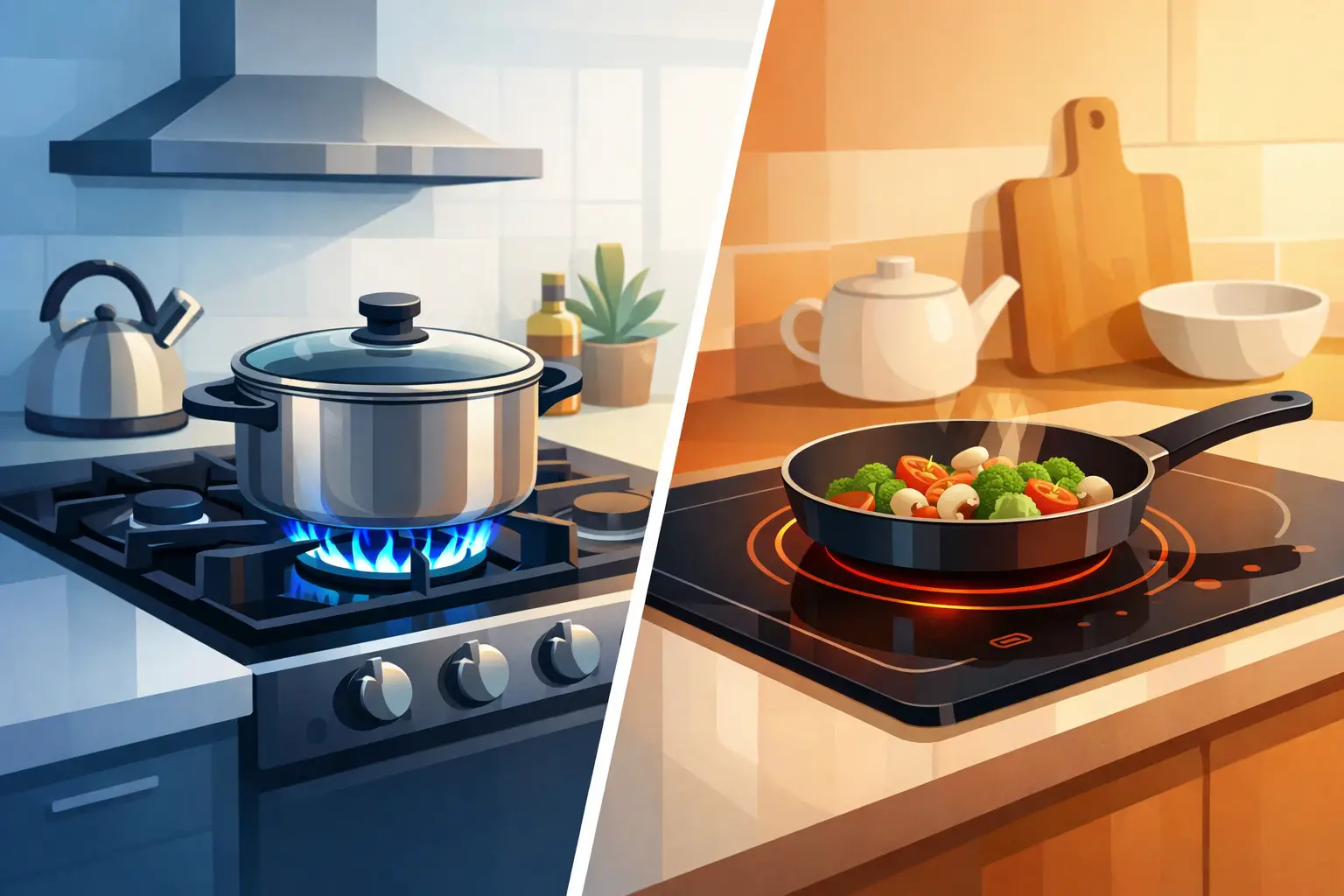
You notice the difference before the first meal is finished. One cooktop answers with visible flame and familiar control. The other gives you a clean surface, fast heat, and a quieter kind of precision. When it comes to gas hob vs induction, the right choice is less about trends and more about how you cook, how often you cook, and what kind of kitchen experience you want every day.
For some households, gas still feels intuitive and dependable, especially for high-heat searing, wok cooking, or recipes that benefit from instant flame adjustment. For others, induction better matches a modern kitchen – faster boil times, easier cleanup, and extra peace of mind around heat exposure. Both can perform beautifully. The better option depends on your priorities.
Gas hob vs induction: the real difference
At a glance, both do the same job. They heat pans and help you get dinner on the table. But they work in completely different ways, and that shapes everything from speed to safety.
A gas hob uses an open flame to heat cookware. You see the flame level, adjust it manually, and cook with direct fire. Many people love the familiarity of that response, especially if they have cooked with gas for years.
Induction uses electromagnetic energy to heat the cookware itself rather than heating the surface first. That means less wasted heat in the room and more direct energy going into the pan. The result is usually faster heating, tighter temperature control, and a surface that stays cooler around the cooking zone.
This difference matters most in everyday use. If your kitchen gets busy during weeknights, speed and cleanup may carry more weight than tradition. If your cooking style relies on visual flame control and cookware flexibility, gas may still feel like the better fit.
Speed and responsiveness in daily cooking
If your goal is getting meals done faster, induction usually has the edge. Water boils quickly, pans heat fast, and the cooktop responds almost immediately when you raise or lower the power. For families juggling work, school, and dinner prep, that time savings adds up.
Gas is also responsive, which is one reason serious home cooks continue to prefer it. Turn the knob and the flame changes right away. That visible feedback gives confidence, especially when simmering sauces or managing multiple dishes at once.
Still, speed and responsiveness are not exactly the same thing. Gas offers immediate visual control, while induction often delivers faster actual cooking performance. If you want faster boil times and more efficient heat transfer, induction is hard to ignore. If you value the feel of cooking with flame, gas has its own appeal.
Which one gives better cooking control?
This is where personal preference matters.
Gas gives you a very natural cooking rhythm. You can see the flame, judge heat by eye, and make quick adjustments. That makes it comfortable for cooks who learned on traditional stovetops, and for techniques where open flame feels familiar.
Induction offers a different kind of control – more precise, more repeatable, and often better for low, steady heat. Melting chocolate, holding a gentle simmer, or maintaining consistency across repeated meals can feel easier on induction because the power settings are more exact.
For home cooks, that can mean less guesswork. For small food businesses or serious meal preppers, it can mean more consistency from one batch to the next.
Neither is automatically better for every dish. Stir-frying in a round-bottom wok may still favor gas setups in many kitchens. Everyday boiling, frying, simmering, and reheating often feel more efficient on induction.
Safety, heat, and comfort in the kitchen
For many buyers, this is where the decision starts to become clear.
Gas involves live flame, residual heat, and combustion. In a well-planned kitchen with proper ventilation, that may not be a problem. But it does require attention. Pot handles, towels, oil splatter, and busy cooking zones all need more awareness around open fire.
Induction is generally seen as the safer option for family kitchens because there is no exposed flame. The cooktop surface can still get warm from the hot pan sitting on it, but it does not heat the same way a traditional electric or gas surface does. That can reduce accidental burns and make the kitchen feel more comfortable during longer cooking sessions.
This can be especially appealing in households with children, in compact urban kitchens, or in homes where cooking happens often and speed matters. A cleaner heat profile also helps keep the room from feeling as hot, which is a real advantage in warmer climates.
Cleaning and everyday maintenance
This category is simple: induction is easier to clean.
A flat glass surface wipes down quickly, especially because spills are less likely to burn onto the cooktop. That means less scrubbing after a busy dinner service at home and a more polished kitchen appearance day to day.
Gas hobs need more hands-on cleaning. Burners, trivets, and crevices can collect grease, food particles, and stains. It is manageable, but it takes more effort and more regular attention to keep the surface looking sharp.
If your kitchen is part of an open-plan living space, appearance matters too. Induction tends to support that sleek, modern look many homeowners want, with a cleaner visual line across the countertop.
Running costs and efficiency
The gas hob vs induction cost question is not just about purchase price. It is also about long-term efficiency and how often you cook.
Gas hobs are often less expensive upfront, depending on the model and installation requirements. For buyers who want dependable cooking performance without stretching the budget too far, gas can still make a lot of sense.
Induction cooktops can cost more initially, and you may need compatible cookware if your current pots and pans are not magnetic. That upfront investment can be a hurdle.
But induction is typically more energy efficient because more heat goes directly into the cookware instead of escaping into the air. Over time, that can improve operating efficiency, especially in households or businesses that cook frequently.
The better value depends on your setup. If you already have a gas line and prefer familiar cookware flexibility, gas may be more economical. If you cook often, want faster heat, and care about energy efficiency, induction may justify the higher entry cost.
Cookware compatibility and kitchen setup
Gas is more forgiving. It works with a wide range of cookware, including pans made from stainless steel, cast iron, aluminum, and more. If you already own a full cookware collection, that flexibility is convenient.
Induction only works with cookware that has a magnetic base. Many modern pans are compatible, but not all are. A simple magnet test usually tells you what will work.
Installation also plays a role. Gas requires a gas connection and proper ventilation. Induction requires the right electrical support. The smartest choice is often the one that fits your kitchen infrastructure without forcing major changes.
For remodels and new builds, this is easier to plan around. For quick upgrades, your existing utilities may influence the decision more than any feature list.
What works best for home kitchens?
For busy households, induction is often the stronger fit if convenience, safety, and modern design are top priorities. It suits fast weeknight cooking, streamlined cleanup, and kitchens that double as gathering spaces.
Gas still has a strong place in family homes, especially for cooks who want tactile control, cook with varied cookware, or simply prefer the tradition and confidence of flame-based cooking. There is comfort in using what feels natural.
If your kitchen is a place for both daily meals and moments of sharing, the best cooktop is the one that supports that rhythm with less friction.
What about commercial or heavy-use kitchens?
In professional settings, the answer becomes more nuanced. Gas has long been trusted in commercial kitchens because it handles continuous use well, works with different pan types, and supports high-heat cooking styles many chefs rely on.
Induction is gaining attention in modern commercial spaces because it is efficient, cleaner, and more comfortable in busy kitchens. Less ambient heat can improve working conditions, and the flat surface can support faster cleanup between services.
For some operations, induction is ideal for precision stations, front-of-house cooking, or controlled menu execution. For others, gas remains the practical choice for volume and versatility. The right solution often depends on the menu, kitchen layout, and pace of service.
VEES understands this balance well because modern cooking is not one-size-fits-all. Performance should match the space, the user, and the demands of real daily use.
So, which should you choose?
Choose gas if you want classic flame control, broader cookware compatibility, and a cooking experience that feels familiar from the first meal. Choose induction if you want speed, easier cleaning, modern style, and a safer, cooler kitchen environment.
There is no single winner in the gas hob vs induction decision. There is only the better match for your kitchen, your routine, and the way you like to cook. The smartest upgrade is the one that makes everyday cooking feel faster, calmer, and more rewarding every time you step up to the stove.