
Cart 0

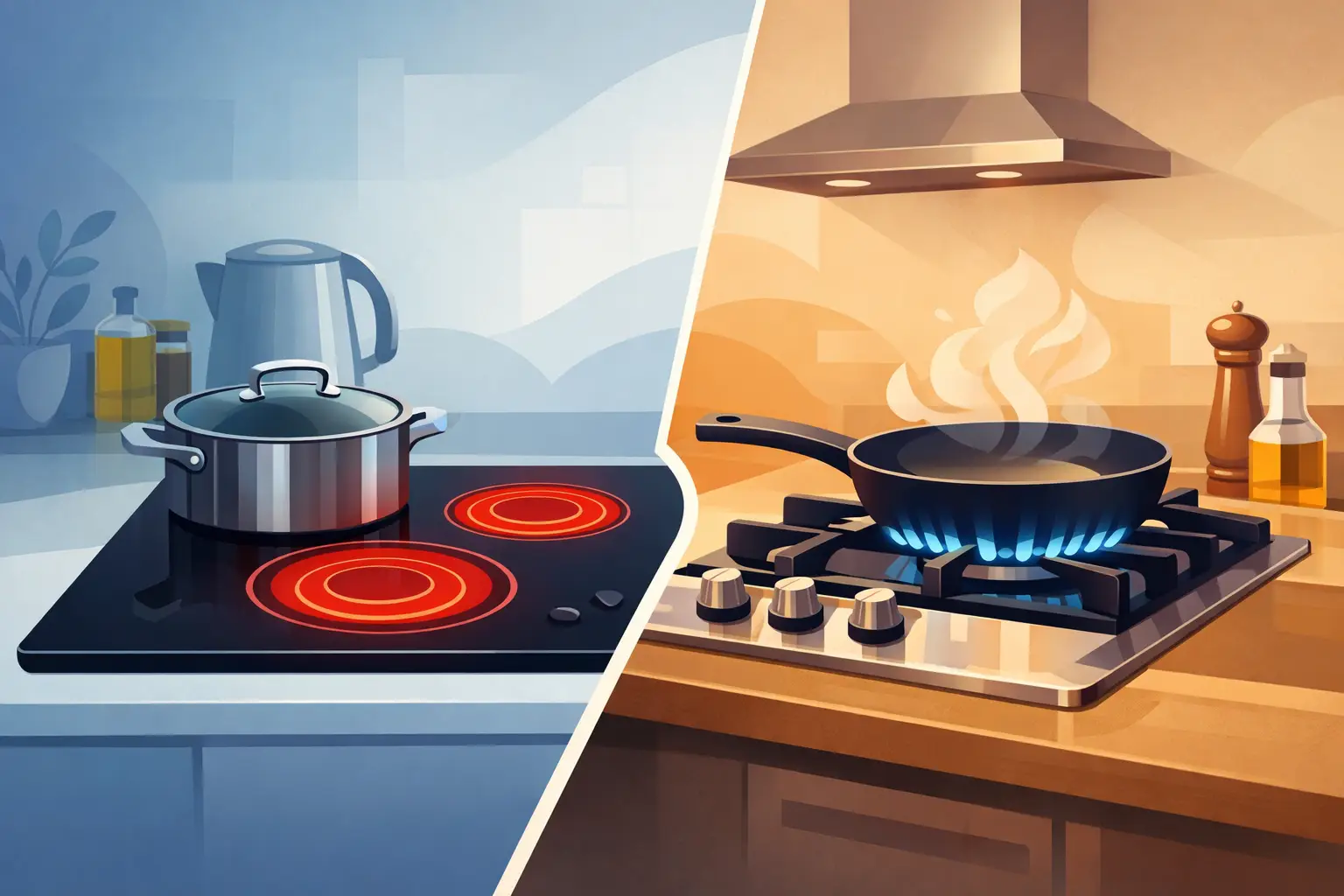
A weeknight dinner tells the truth fast. If you are juggling a hot pan, a pot of rice, and someone asking when dinner will be ready, the electric hob vs gas question stops being theoretical. It becomes about speed, control, cleaning, safety, and how your kitchen feels to use every day.
The right answer depends on how you cook, who you cook for, and what kind of kitchen experience you want. Some homes want flame-level responsiveness. Others want a clean, modern surface that wipes down in seconds. For restaurants and serious home cooks, daily volume and consistency matter just as much as style.
Electric hob vs gas: the real difference
At the most basic level, gas hobs cook with an open flame, while electric hobs heat the cookware through an electric element or induction system, depending on the model. That difference shapes almost everything else – from how quickly heat changes to how easy the surface is to clean.
Gas often feels more familiar because the flame is visible. You can see the intensity and adjust it immediately. Many cooks love that direct relationship with heat, especially when stir-frying, searing, or using cookware that benefits from fast temperature shifts.
Electric hobs appeal for a different reason. They look cleaner, feel more integrated into modern kitchen design, and often support a more streamlined cooking routine. In many homes, they are chosen not only for performance but also for convenience and aesthetics.
Cooking performance in daily use
Performance is usually the first thing people compare, and for good reason. A cooktop can look beautiful, but if it slows down your workflow, you will notice it every day.
Heat control and responsiveness
Gas is known for immediate response. Turn the knob up and the flame increases right away. Turn it down and the heat drops fast. That makes gas especially useful for dishes that need constant adjustment, like sauces, pan-fried foods, or high-heat wok cooking.
Electric hobs can vary here. Traditional electric models may take longer to heat up and cool down, which can make temperature changes feel less precise. Induction-style electric hobs are different – they heat quickly and respond far faster than many people expect. If you are comparing modern appliances, not all electric cooking feels slow.
For the average household, both can deliver excellent results. For cooks who rely on instinctive heat changes, gas still has an edge in feel. For users who value stable, consistent heat for simmering or controlled cooking, electric can be very satisfying.
Speed and efficiency
Speed is not only about how fast a burner gets hot. It is also about how much of that heat reaches the pan.
Gas loses some energy around the sides of the cookware. Electric hobs, especially induction-based ones, tend to use energy more efficiently because more heat goes where it is needed. That can shorten cooking times and reduce wasted heat in the kitchen.
This matters in warm climates and busy kitchens. If your cooking area already runs hot, an electric hob may create a more comfortable environment. In commercial settings or homes that cook often, that extra efficiency can improve workflow over time.
Safety and peace of mind
Safety is one of the biggest reasons many homeowners lean toward electric. A flat electric hob removes the open flame, which can feel more reassuring in family kitchens, apartment settings, or homes where multiple people cook.
Many electric models also include practical protections such as residual heat indicators, child lock functions, or automatic shut-off features. These details do not just sound good on paper. They support real daily confidence, especially when life gets busy.
Gas hobs are safe when properly installed and used, but they require a little more attention. You are managing live flame, combustion, and in some cases ventilation considerations. For experienced cooks, that may feel normal. For others, electric feels simpler and more secure.
Cleaning and kitchen design
This is where electric often wins hearts quickly.
A smooth electric hob surface supports a cleaner, more refined kitchen look. There are no pan supports, burner caps, or recessed parts to work around. Once the surface cools, cleaning is straightforward. For homeowners who want a polished, modern kitchen that stays presentation-ready, this is a major advantage.
Gas hobs take more effort. Grease, spills, and food particles can collect around burners and grates. They are absolutely manageable, but cleaning is more detailed and more frequent if you want the hob to look its best.
Design matters too. Electric hobs tend to blend more naturally into contemporary countertops and open-concept kitchens. They support that uncluttered visual style many households want today. Gas has its own appeal – more professional, more traditional, and often more tactile. The best choice depends on the atmosphere you want in your kitchen.
Cost: upfront and over time
If you are deciding based on budget, the answer is not always simple.
Gas hobs can be attractive in terms of operating cost, depending on local utility pricing. In many areas, gas remains cost-effective for frequent cooking. If your home already has a gas line, installation may also be straightforward.
Electric hobs may have different purchase prices depending on the technology. Basic models can be affordable, while premium electric or induction units can cost more upfront. Over time, however, efficiency and ease of maintenance may offset part of that difference.
It is worth thinking beyond the sticker price. Consider how often you cook, whether your kitchen already supports gas, and how much value you place on ease of cleaning, safety features, and visual design. The less obvious benefits often shape satisfaction more than the initial cost.
Electric hob vs gas for different types of cooks
The best cooktop is the one that fits your routine, not someone else’s preference.
For busy family kitchens, electric often makes a strong case. It supports quick cleanup, a sleek look, and safety-focused features that help when multiple people are moving through the space. If your cooking style includes a lot of reheating, boiling, sautéing, and simple daily meals, an electric hob can feel efficient and easy to live with.
For passionate home cooks, the decision depends on technique. If you love flame cooking, dramatic sears, and rapid heat changes, gas still delivers a satisfying hands-on experience. If you want precise heating with a more contemporary finish, a high-quality electric hob can offer both performance and elegance.
For commercial users, durability and workload come first. Gas remains popular in professional kitchens because chefs trust its responsiveness and compatibility with a wide range of cookware. But electric solutions are increasingly relevant where clean design, energy efficiency, and controlled heat output support the operation. In the right setup, modern electric equipment can improve consistency and simplify maintenance.
Installation and cookware compatibility
This is the practical part people sometimes leave until too late.
Gas requires a proper gas connection and appropriate ventilation planning. That can limit options in some homes or increase installation complexity during a remodel. Electric hobs are often easier to integrate, especially in kitchens designed around a clean built-in look.
Cookware can matter too. Gas is flexible and works with most pots and pans. Electric radiant hobs also support many cookware types, while induction-style electric hobs require compatible magnetic cookware. Before choosing, check what you already own and whether you are comfortable updating your cookware if needed.
So which one should you choose?
Choose gas if cooking control is your top priority, you enjoy the feel of live flame, and your kitchen is already set up for it. It suits cooks who want instant visual feedback and a more traditional professional cooking experience.
Choose electric if you want a modern kitchen, easier cleaning, efficient everyday performance, and added peace of mind. It is especially appealing for households that value convenience, refined design, and appliances that make daily life feel smoother.
For many buyers, this is less about which option is better in general and more about which one is better for their space. A well-made gas hob can transform the way a confident cook works. A thoughtfully designed electric hob can make the whole kitchen feel calmer, cleaner, and more enjoyable to use. Brands like VEES understand that the best kitchen appliances do more than cook – they support better routines, better flow, and more moments worth sharing.
When you picture your next kitchen, think beyond the burner itself. Think about how you want the room to work when dinner is happening, guests are around, and life is moving fast. That is usually where the right answer becomes clear.