
Cart 0

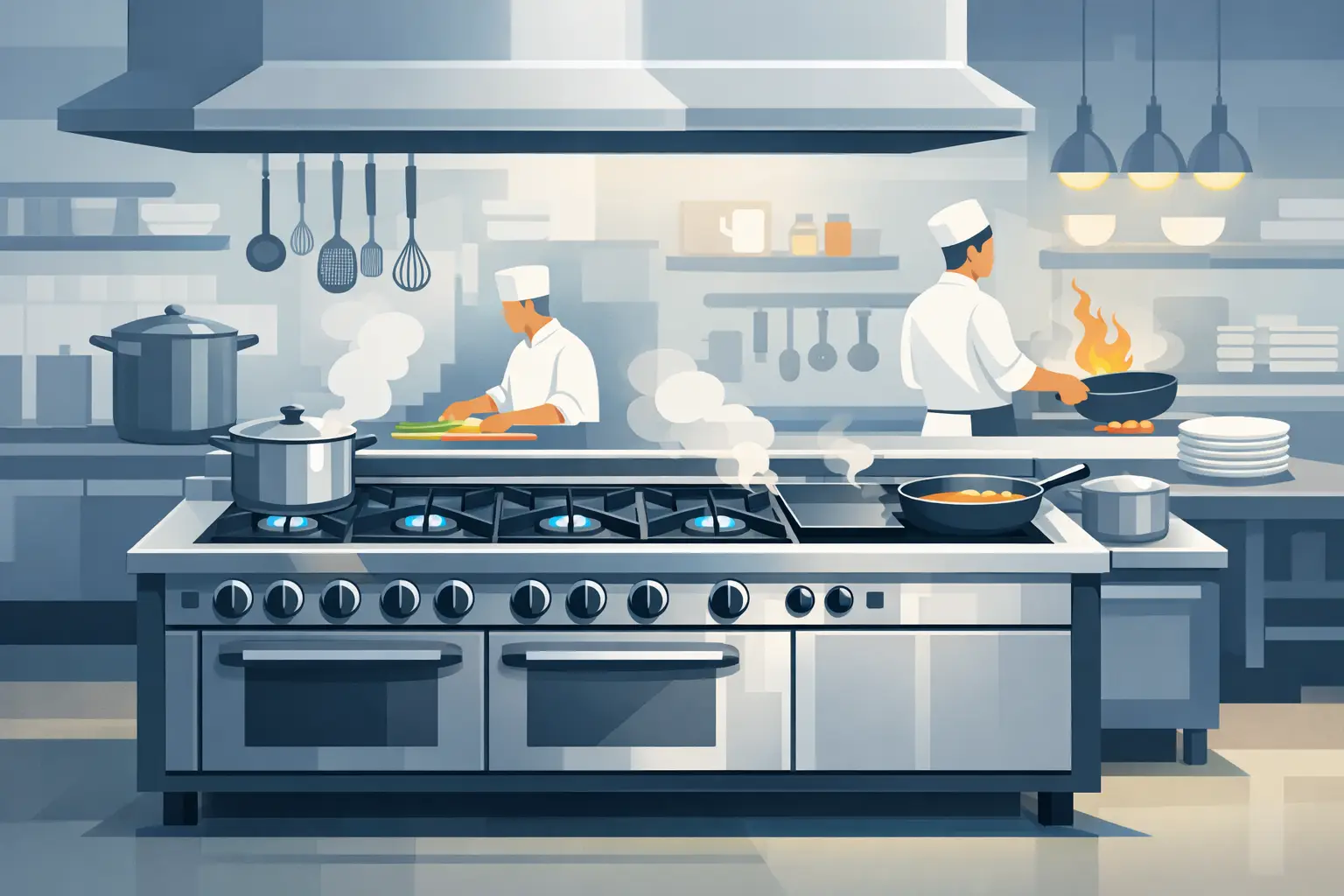
A dinner rush reveals weak equipment fast. Burners that recover heat too slowly, ovens that bake unevenly, and controls that feel imprecise can turn a capable team into a frustrated one. If you are searching for the best cooker for restaurant kitchen performance, the real question is not which model looks impressive on paper. It is which cooker keeps pace with your menu, your staff, and your service standards every single day.
For restaurant owners and chefs, a cooker is not just another appliance. It is the center of production. It affects ticket times, food consistency, energy use, cleaning routines, and even how confidently your team moves during peak hours. Choosing well means looking beyond headline features and focusing on what actually supports smooth, reliable service.
What makes the best cooker for restaurant kitchen work?
The best choice starts with fit, not hype. A cooker that performs beautifully in one kitchen can become a poor investment in another because restaurant operations vary so much. A compact cafe, a full-service Asian restaurant, a bakery kitchen, and a high-volume catering operation all demand something different from their cooking equipment.
That is why capacity matters first. If your kitchen handles a steady lunch crowd with a tight menu, a streamlined commercial cooker may be enough. If your team is preparing multiple dishes across different cooking styles at once, you need a unit that can hold stable heat and support continuous use without slowing down. Buying too small creates bottlenecks. Buying too large can waste energy, crowd your line, and increase costs without giving much back.
Heat performance is the next factor that separates a smart purchase from an expensive compromise. Fast heat-up times are useful, but what matters even more is heat recovery. In a restaurant setting, burners and ovens are opened, adjusted, and pushed hard for hours. A cooker that loses temperature and struggles to recover will affect consistency. Sauces reduce unevenly, proteins cook unpredictably, and staff start compensating in ways that create more room for error.
Gas, electric, or induction?
There is no universal winner here. The best cooker for restaurant kitchen planning depends on your layout, utility setup, cooking style, and staffing.
Gas remains popular because it offers familiar flame control and quick visual feedback. Many chefs prefer it for pan work, especially in fast-moving kitchens where instinct and speed matter. It is also often a practical choice for operations already built around gas lines. The trade-off is that gas equipment can add heat to the room and may require more attention to ventilation and cleaning.
Electric cookers offer steady, dependable heating and can be easier to integrate in certain setups. They are often chosen for operations that value consistency, straightforward controls, and a cleaner look. In some kitchens, electric models also support a more polished, modern feel without giving up serious performance. The key is choosing commercial-grade construction designed for repeated daily use, not light-duty equipment that looks similar but cannot handle restaurant demand.
Induction has become more attractive for operators focused on speed, safety, and energy efficiency. It heats quickly, keeps the surrounding area cooler, and is generally easier to wipe down. That can be a major advantage in compact kitchens or open kitchen concepts where appearance matters. The limitation is compatibility with cookware and, for some chefs, a different cooking feel that takes adjustment.
Size and layout matter more than many buyers expect
The cooker has to fit the kitchen, but it also has to fit the movement of the kitchen. That distinction matters.
A wide cooker with multiple cooking zones may sound ideal, yet if it blocks prep access or creates traffic around the pass, it can reduce efficiency rather than improve it. In smaller restaurant spaces, the smartest equipment decisions often come from thinking about workflow first. Where does plating happen? Where do ingredients land after prep? How far does a cook need to turn to move from searing to finishing?
The right cooker supports natural movement. It minimizes wasted steps, gives cooks enough room to work safely, and aligns with nearby ventilation and prep surfaces. A good layout can make a mid-sized cooker feel highly productive. A bad layout can make even premium equipment feel like a problem.
Durability is not a bonus feature
Restaurant kitchens are unforgiving. Knobs get turned constantly. Doors slam. Surfaces face spills, grease, heat, and frequent cleaning. The best cooker is one that holds up without becoming a maintenance headache six months in.
Look for solid construction, stable grates or cooking surfaces, well-fitted controls, and materials that are easy to clean without looking worn too quickly. Stainless steel remains a strong choice because it supports hygiene, resists corrosion well, and suits the modern commercial kitchen aesthetic many operators want.
It is also worth paying attention to the smaller details. Hinges, handles, seal quality, and control responsiveness can reveal a lot about how an appliance will perform over time. In a showroom or product page, those details can seem minor. In a busy kitchen, they quickly become part of daily reality.
Safety and ease of cleaning should shape the decision
Fast service means little if the kitchen becomes harder to manage. Safety features and cleaning convenience are not side considerations. They protect uptime.
A restaurant cooker should offer stable operation, clear controls, and surfaces designed to reduce mess buildup. For gas models, flame reliability and safe ignition systems matter. For electric and induction models, precise control and temperature stability are equally important. Kitchens that can clean quickly between shifts and close down efficiently at night protect both equipment lifespan and staff morale.
This is one area where modern design genuinely improves functionality. Equipment built with smoother surfaces, better edge finishing, and accessible components can save meaningful labor over time. That may not be the first benefit buyers ask about, but it has real value once service begins.
Match the cooker to the menu, not just the budget
Budget matters, of course. But focusing on the lowest upfront price often leads to higher operating costs and more stress later. The better approach is to measure value through output, durability, and consistency.
A stir-fry heavy concept needs high responsiveness and continuous burner performance. A restaurant centered on roasted items and baked dishes needs oven reliability and even heat distribution. A mixed-menu operation may need a hybrid setup that supports both line cooking and finishing. The best cooker for restaurant kitchen success is the one that suits the menu you actually serve, not the one with the broadest marketing claims.
This is where many buyers benefit from working with a brand that understands both residential design expectations and commercial performance demands. A company like VEES, with experience across modern kitchen solutions, reflects the kind of thinking many operators need today – durable performance, practical convenience, and equipment that supports a cleaner, more refined working environment.
When to choose a single cooker and when to split functions
Some restaurants do best with one main cooker that handles most tasks in one footprint. This is often true for compact kitchens, focused menus, and operations that value simplicity. A single commercial cooker can streamline installation, reduce clutter, and make staff training easier.
Other kitchens perform better by separating functions. One unit may handle high-heat stovetop cooking while another supports baking, holding, or finishing. This setup usually costs more and takes more planning, but it can improve speed and reduce downtime if one component needs service. If your volume is high or your menu spans several cooking methods, splitting functions may give you more control.
The answer depends on your team and service pattern. If several cooks need simultaneous access, one all-in-one unit may create congestion. If only one or two line cooks are managing a compact menu, a single well-chosen cooker can be the smarter and cleaner solution.
Questions worth asking before you buy
Before making a final decision, pause and test the cooker against real service conditions. How many hours a day will it run? Who will use it most? How easy is it to clean between lunch and dinner? Will it still support your operation if your covers increase next year?
It also helps to think about service support and replacement parts. Even the best equipment needs maintenance over time. A dependable warranty structure and accessible after-sales support can make ownership much smoother, especially for growing businesses that cannot afford long interruptions.
A stylish finish and modern appearance still matter, especially for open kitchens or hospitality spaces where guests can see the cooking line. But visual appeal should support function, not distract from it. The best commercial kitchen equipment looks sharp because it is designed well, built well, and easy to work with.
The right cooker should make the kitchen feel more controlled, not more complicated. When your team can rely on steady heat, fast response, and durable performance, service becomes smoother and cooking feels more confident. That is the standard worth buying for, because in a restaurant, the right equipment does more than cook – it protects the rhythm of the whole business.