
Cart 0

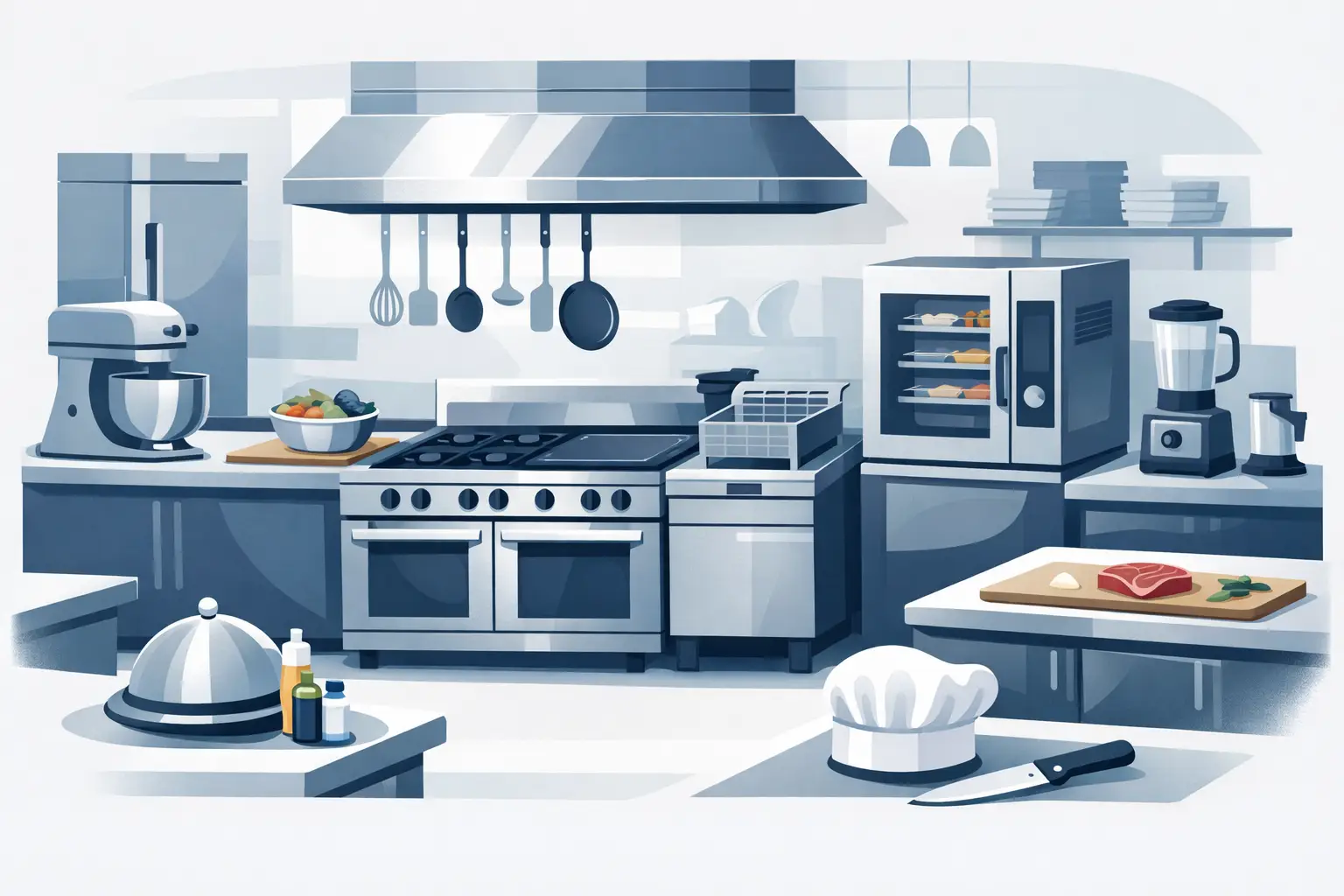
A packed dinner rush exposes every weak point in a kitchen. A slow burner holds up tickets. Poor ventilation turns the line uncomfortable fast. An underpowered oven affects consistency when timing matters most. That is why choosing the right commercial kitchen equipment for restaurant operations is not just a purchasing task – it is a business decision that shapes service speed, food quality, safety, and daily team performance.
The best equipment setup is not always the biggest or most expensive one. It is the one that fits your menu, your volume, your space, and the way your staff actually works. A modern restaurant kitchen should feel efficient and controlled, with every piece of equipment supporting smoother prep, faster cooking, and easier cleaning at the end of the night.
What commercial kitchen equipment for restaurant success really needs
Restaurant owners often make one of two mistakes. They either buy too little and outgrow it quickly, or they overbuy and fill the kitchen with equipment that rarely gets used. The smarter approach starts with workflow.
If your concept depends on fast turnover, your equipment has to support repetition without slowing down. A casual dining kitchen may need dependable ranges, ovens, and ventilation that can handle steady lunch and dinner periods. A high-volume operation may need more specialized stations, stronger extraction, and equipment built for nonstop use over long service hours.
Durability matters, but so does fit. Stainless steel construction, easy-clean surfaces, and reliable heat performance are all valuable. Still, even durable equipment becomes a problem if it creates bottlenecks or takes up space needed for prep, plating, or movement between stations.
A good equipment plan should answer a few practical questions. How many covers will you serve at peak? Which dishes drive the most revenue? What cooking methods do you rely on most often? How much power and ventilation can your site support? When those answers are clear, purchasing becomes far more precise.
Start with the core cooking line
For most restaurants, the cooking line is the center of the investment. This is where speed, consistency, and daily wear matter most. Gas hobs, ranges, ovens, and cookers should be chosen based on how your menu performs under pressure, not how attractive a spec sheet looks.
Gas cooking remains popular in commercial spaces because it gives chefs direct heat control and quick response. That matters when the menu depends on sautéing, boiling, and fast pan work. If your kitchen needs constant burner use across multiple services, stable flame control and strong build quality are worth prioritizing.
Ovens are another area where it pays to think beyond capacity alone. A larger oven can seem like the obvious upgrade, but recovery time, heat consistency, and ease of use often have a bigger impact on output. If your team bakes, roasts, or reheats throughout the day, reliability becomes more valuable than sheer size.
Electric cookers and supporting appliances can also make a real difference in operations that need repeatable results with less manual oversight. In the right setting, they help reduce variation between shifts and simplify training for newer staff.
Ventilation is not the place to cut corners
Many operators focus on cooking appliances first and treat ventilation as a secondary decision. In practice, the hood system has a direct effect on comfort, cleanliness, and kitchen stability.
A range hood that is properly matched to the cooking line helps remove heat, smoke, grease, and odors before they build up. That keeps the workspace more comfortable for staff and helps protect nearby surfaces and equipment from grease accumulation. It also supports a cleaner front-of-house experience in restaurants with open or partially visible kitchens.
The right ventilation setup depends on cooking intensity. A kitchen producing high grease output will have very different needs than a lighter café-style operation. It also depends on kitchen layout. Ceiling height, duct path, and equipment placement all affect performance. Better ventilation does not just improve air quality – it makes the entire kitchen feel more controlled during peak service.
Prep and support equipment shape the pace of service
Restaurants do not run on cooking equipment alone. Prep tables, holding areas, storage, and support stations often have just as much impact on productivity.
A kitchen can have excellent burners and ovens and still struggle if staff do not have enough organized prep space. Efficient prep equipment reduces unnecessary motion, keeps ingredients within reach, and helps teams maintain consistency through busy periods. The goal is to shorten the distance between prep, cook, and plate.
Support equipment should also be chosen with cleaning and reset in mind. At the end of a long shift, crews need surfaces and appliances that are easy to wipe down, durable enough for repeated use, and designed to hold up without becoming a maintenance burden. Good design saves labor over time, and labor is one of the most expensive parts of running a restaurant.
How to choose commercial kitchen equipment for restaurant layouts
No equipment decision exists in isolation. A restaurant kitchen is a system, and layout determines whether that system works smoothly or fights itself all day.
A compact kitchen needs equipment that earns its footprint. Multi-function appliances can be a smart choice when floor space is limited, but only if they truly match your menu. Buying one unit to replace two can save space, though it may also create pressure if that single unit goes down or becomes overbooked during service. That is the trade-off.
Larger kitchens have more flexibility, but they can still become inefficient if stations are spread too far apart. The best layout supports a clear flow from storage to prep to cooking to plating to cleaning. Every extra step adds time. Every awkward turn increases fatigue. Over a full week of service, those small inefficiencies add up.
When comparing equipment, think about access as much as output. Doors should open without blocking movement. Controls should be easy to reach. Staff should be able to work safely around hot surfaces without crowding each other. Equipment that looks impressive in a showroom can feel very different once it is installed in a real kitchen.
Think beyond the purchase price
Budget matters, but the sticker price is only one part of the cost. Commercial kitchen equipment for restaurant use should be evaluated over its working life.
A lower-priced unit may seem attractive at first, but if it struggles under heavy use, loses heat consistency, or needs frequent repair, it quickly becomes more expensive than expected. Downtime costs money. So does wasted product, slower ticket times, and staff frustration.
On the other hand, not every restaurant needs top-tier heavy-duty equipment in every category. A smaller operation with a focused menu may benefit more from a carefully selected mid-range setup that emphasizes reliability and smart use of space. The right investment level depends on output, not ego.
It also helps to consider warranty support, parts availability, and service access before buying. Equipment should be dependable, but support still matters when something goes wrong. That peace of mind is part of the value.
Design matters more than many operators expect
Performance comes first, but appearance should not be dismissed. A modern kitchen with clean lines and well-finished equipment supports a more professional working environment. In open kitchens, it becomes part of the guest experience as well.
Well-designed equipment also tends to be easier to use. Clear controls, practical handle placement, and thoughtful layouts reduce friction during fast-paced service. Good design is not decoration – it is part of convenience.
This is where a brand perspective can help. Companies like VEES have built their reputation on combining modern kitchen performance with durability, safety, and refined design. That balance matters in restaurants that want equipment to work hard every day while still supporting a clean, contemporary kitchen environment.
Build for the restaurant you are becoming
The smartest restaurant owners do not buy only for today’s service. They buy for the next stage of the business.
If you expect higher volume, more delivery demand, or menu expansion, your equipment should leave room for growth. That does not mean overspending from the start. It means avoiding purchases that lock you into limitations you can already see coming.
A practical example is burner capacity. If your current menu uses four burners comfortably but your planned lunch expansion will stretch that to six, buying the bare minimum now may lead to a faster replacement later. The same applies to ventilation, oven capacity, and prep support.
There is always a balance between present needs and future plans. The goal is not to predict everything. It is to choose equipment that gives your kitchen enough strength, flexibility, and consistency to grow without constant reinvestment.
The right kitchen does more than cook food. It supports confidence on the line, steadiness during rush hours, and a better experience for everyone behind the pass. Choose equipment with that standard in mind, and your kitchen will keep giving back long after the first service.