
Cart 0

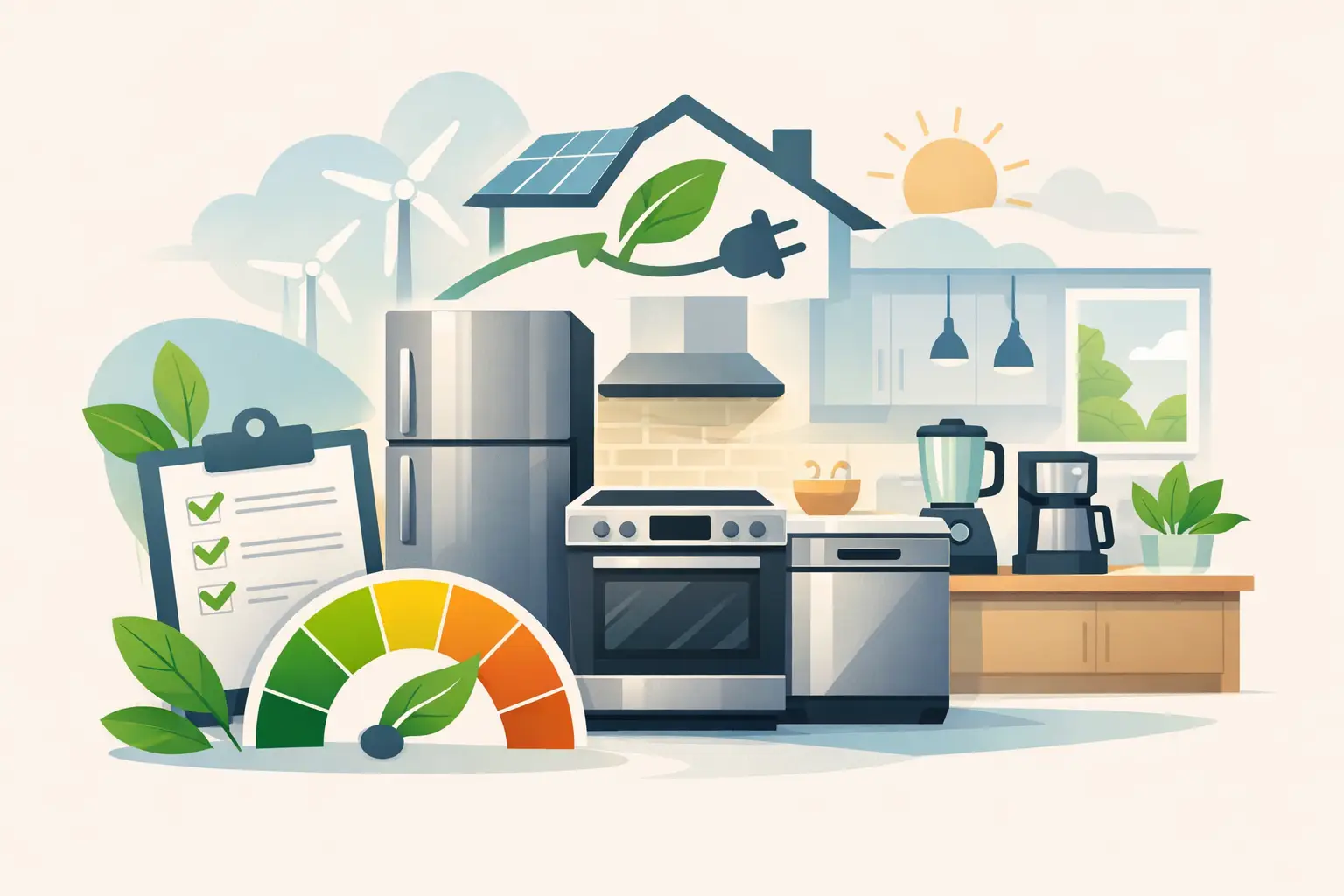
The difference between a kitchen that works hard and one that works smart often shows up on two things – your utility bill and your daily routine. Energy efficient kitchen appliances are not just about using less electricity or gas. They are about cooking faster, managing heat better, reducing waste, and creating a kitchen that feels easier to live with every day.
For homeowners, that can mean dinner on the table with less waiting and less heat filling the room. For busy families, it means appliances that keep up without adding unnecessary costs. For restaurant operators and foodservice teams, it means equipment that can handle constant demand while supporting better control over operating expenses. Efficiency is not a feature you notice once. It is something you feel every day in speed, consistency, and comfort.
Why energy efficient kitchen appliances matter
The kitchen is one of the hardest-working areas in any home or business. Cooktops, ovens, range hoods, and electric cookers are used repeatedly, sometimes for hours at a time. When those appliances are inefficient, they do more than consume extra energy. They often lose heat, cook unevenly, create more strain on ventilation, and make the cooking process less predictable.
Well-designed efficient appliances tend to solve several problems at once. They direct heat where it is needed, maintain temperature more accurately, and reduce wasted power during operation. That translates into practical benefits: faster meal preparation, more reliable results, and a cleaner, more comfortable kitchen environment.
There is also a design advantage. Modern kitchens are expected to look refined and perform beautifully. Choosing appliances that combine efficiency with contemporary styling helps create a space that feels polished without sacrificing function. That balance matters whether you are upgrading a family kitchen or fitting out a professional cooking space.
What to look for in energy efficient kitchen appliances
Efficiency is not one single specification. It is the result of good engineering, smart materials, and the way an appliance fits your cooking habits. The best choice depends on what you cook, how often you cook, and how much output your kitchen needs to handle.
Heat control and cooking precision
One of the clearest signs of an efficient appliance is precise heat control. A hob or cooker that reaches the desired temperature quickly and holds it steadily wastes less energy than one that constantly overshoots or loses heat. Precision also improves food quality. Water boils sooner, sauces stay stable, and proteins cook more evenly.
In practical terms, this means you should pay attention to responsiveness, burner design, and how well the appliance supports consistent heat delivery. Fast is helpful, but fast without control can still be wasteful.
Size that matches real use
Bigger is not always better. A large oven with generous capacity can be a strong choice for a large household or a commercial kitchen, but it may be inefficient for someone who mostly prepares smaller meals. The same applies to hobs and cookers. Buying for your actual cooking volume usually leads to better energy use than buying for occasional peak demand.
This is where many kitchens lose efficiency. People choose oversized appliances for flexibility, then use only a fraction of the capacity most of the time. If your cooking style is compact and frequent, a right-sized appliance can perform better and cost less to run.
Insulation, sealing, and airflow
Ovens and enclosed cooking appliances depend heavily on good insulation and door sealing. If heat escapes, the system has to work harder to maintain temperature. Range hoods also play a role in kitchen efficiency, even though people often think of them only in terms of ventilation. Effective airflow helps remove heat, smoke, and grease quickly, making the whole space more comfortable and reducing the burden on cooling systems.
This is one of those details that matters more than it first appears. Efficient cooking is not only about the appliance generating heat. It is also about managing where that heat goes.
The most impactful appliances to upgrade first
Not every kitchen upgrade delivers the same return. If you want to improve efficiency, start with the appliances you use most often or those that consume the most energy during regular operation.
Cooktops and hobs
Daily cooking usually starts here, so improvements in hob performance can have an immediate effect. Efficient gas hobs focus on flame control and heat transfer. Efficient electric hobs aim for rapid heating with stable output and less wasted residual heat. The right choice depends on your cooking preferences, but in both cases the goal is the same – quicker response, better precision, and less lost energy.
For households that cook several times a day, this upgrade can noticeably improve convenience. For professional kitchens, reliable burner performance supports consistency during peak hours, when every minute counts.
Ovens and electric cookers
Ovens are often underestimated when it comes to energy use because they run in longer cycles. An efficient oven should preheat effectively, maintain even temperature, and minimize heat loss when operating. Electric cookers that are built for speed and consistency can also save time while helping reduce unnecessary power draw across repeated use.
There is a trade-off here. High-performance ovens may come with features you do not need if your cooking is simple and infrequent. But if baking, roasting, or batch cooking is part of your routine, better performance usually justifies the investment.
Range hoods
A good range hood does not reduce energy use in the same direct way as a hob or oven, but it improves overall kitchen performance. By clearing smoke, odor, steam, and airborne grease efficiently, it supports a more pleasant environment and helps the kitchen stay cooler and cleaner.
In open-plan homes, that comfort matters. In commercial settings, proper ventilation becomes even more critical because heat buildup affects both workflow and staff comfort. An efficient hood with strong extraction and sensible design contributes to a kitchen that feels controlled rather than chaotic.
Energy efficiency at home versus in commercial kitchens
The idea is the same, but the priorities are different. In a home kitchen, efficiency is usually tied to convenience, monthly savings, and a more enjoyable cooking experience. Families want appliances that look good, feel safe, and help make everyday meals less demanding.
In a commercial kitchen, efficiency is more closely tied to productivity and durability. An appliance may run for many hours a day, so small gains in performance can make a meaningful difference over time. Faster recovery, stronger construction, and dependable output become essential. What matters most is not only lower energy use, but whether the equipment can maintain performance under pressure.
That is why the best purchase is not always the one with the longest feature list. It is the one built for your environment. A stylish household appliance may be perfect for frequent family cooking, while a restaurant needs equipment designed for nonstop service. Efficiency only matters if it holds up in real conditions.
How to make a smarter buying decision
Start by looking at how your kitchen actually functions now. Are you frustrated by slow cooking times, uneven results, excessive heat, or appliances that feel dated and unreliable? Those are often signs that efficiency is already costing you in ways beyond the utility bill.
Next, think in terms of long-term value rather than purchase price alone. A lower-cost appliance can be more expensive over time if it cooks slowly, wastes energy, or needs replacing sooner. Well-made appliances that balance speed, safety, durability, and design usually deliver more value across years of daily use.
It also helps to buy with your kitchen as a complete system in mind. A high-performing hob paired with poor ventilation will not feel fully efficient. A beautiful oven that is too large for your lifestyle may not be the smartest fit. The strongest results come from choosing appliances that work together to support the way you cook.
For many households and businesses, that is where a specialist kitchen brand earns trust. VEES has built its reputation by focusing on modern cooking performance, dependable construction, and designs that make life easier in both home and commercial settings. That combination matters because true efficiency is never only about power consumption. It is about how confidently your kitchen performs, day after day.
The real value of energy efficient kitchen appliances
People often start shopping for efficiency because they want to save money. That is reasonable, but it is only part of the story. The real value is a kitchen that responds faster, stays more comfortable, supports better cooking, and fits the rhythm of modern life.
When appliances are designed well, cooking becomes smoother and more enjoyable. Family meals feel less rushed. Entertaining feels more manageable. Professional service feels more controlled. Good equipment does not just reduce waste. It creates more room for the moments that matter in the kitchen.
If you are planning your next upgrade, choose appliances that respect both your time and your space. The smartest kitchen is not the one with the most features. It is the one that helps every meal come together with less effort and better results.