
Cart 0

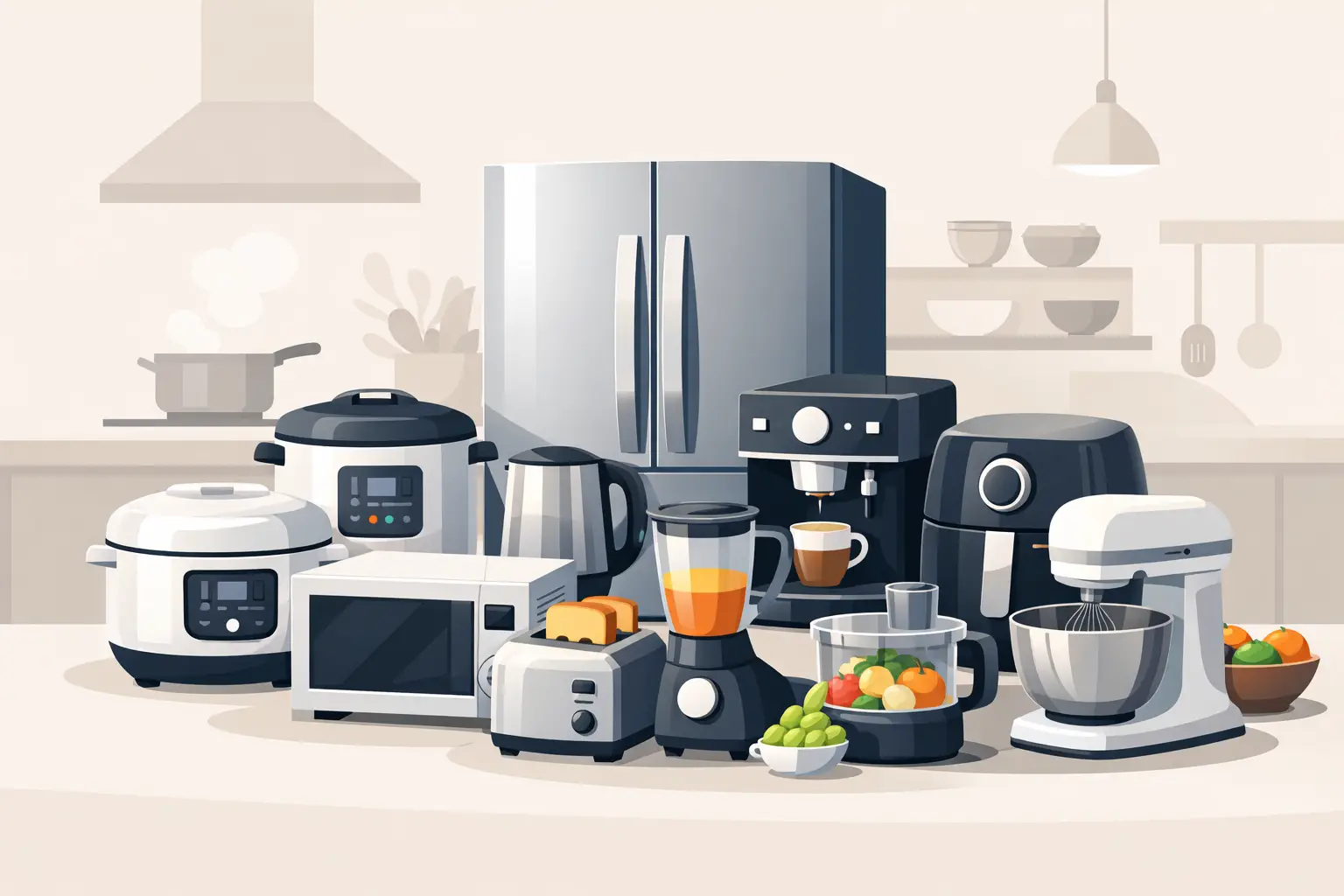
The rush usually starts at 5:30 p.m. Someone is hungry now, someone else wants a snack before dinner, and the sink is already full. That is exactly why the best kitchen appliances for families are not just nice to have. They shape how smoothly your evenings run, how confidently you cook, and how much time you get back.
For family kitchens, the right appliance is rarely the flashiest one. It is the one that keeps up on busy weekdays, handles bigger portions on weekends, and still looks right in the heart of your home. Performance matters, but so do safety, easy cleaning, and a layout that supports real life.
What makes the best kitchen appliances for families?
A family kitchen works harder than most spaces in the home. It is where breakfast overlaps with lunch prep, where dinner needs to happen on schedule, and where one appliance often has to support several jobs at once. That is why buying for a family should feel different from buying for a single person or a couple.
Capacity is the first filter. A small appliance may save counter space, but if it cannot handle family-size cooking, it will slow you down. A larger oven cavity, a wider hob, or a cooker with more usable surface area can make meal prep much easier when you are cooking multiple dishes at once.
Speed comes next. Fast preheating, responsive heat control, and efficient ventilation all matter when the kitchen is under pressure. But speed without consistency is frustrating. Families need appliances that produce repeatable results, whether that means evenly baked casseroles, water that boils quickly, or smoke that clears before it spreads through the house.
Then there is safety. Cool-touch surfaces, stable pan support, reliable ignition, child-conscious controls, and strong ventilation are not extra features in a family home. They are part of peace of mind.
The 10 best kitchen appliances for families
1. A reliable built-in oven
A good oven earns its place every day. It handles baked pasta, roast chicken, sheet-pan vegetables, weekend treats, and those last-minute frozen meals that save the evening. For families, even heating matters more than complicated settings you may never use.
Look for an oven with clear controls, strong insulation, and enough interior space for large trays or multiple dishes. If you cook often, quick preheat can make a real difference. The best models feel simple in use but polished in performance.
2. A gas or electric hob with responsive control
The cooktop is where family meals either stay on track or fall apart. If you regularly prepare several components at once, you need a hob that gives you usable space and precise control. A crowded cooking surface is more than inconvenient. It can turn basic dinner prep into a balancing act.
Gas hobs offer instant flame adjustment, which many home cooks prefer for speed and visibility. Electric hobs bring a sleek look and easy wipe-clean surfaces. The right choice depends on your cooking style, but either can work beautifully in a family kitchen if the layout is practical and the performance is steady.
3. A strong range hood
This is one of the most overlooked family-kitchen upgrades. A quality range hood helps remove smoke, grease, odors, and excess heat before they settle into curtains, cabinets, and the rest of the home. If your kitchen opens into the dining or living area, this matters even more.
Families who cook often should pay attention to extraction power and noise. A hood that clears the air well but sounds harsh every evening can become tiring. The sweet spot is effective ventilation with a cleaner, calmer cooking environment.
4. An electric cooker for everyday flexibility
For families who want an all-in-one setup, an electric cooker can be a smart choice. It combines cooking functions in a way that supports everyday efficiency, especially in homes where convenience and consistency matter just as much as style.
The appeal is simple. You get dependable heat, an organized cooking zone, and a solution designed for regular use. In busy households, that kind of reliability can remove friction from meal prep. VEES built its reputation around fast, precise cooking solutions, and that approach speaks directly to what many families want most – less waiting, less guesswork, and more confidence at dinnertime.
5. A family-size refrigerator
A refrigerator may not feel as exciting as a new oven or hob, but for most households it is one of the hardest-working appliances in the kitchen. Families need storage that supports bulk groceries, leftovers, produce, lunch items, and those small daily essentials that somehow multiply overnight.
Good organization matters as much as total size. Shelving that adjusts easily, door bins that fit larger bottles, and drawers that keep food visible can reduce waste and make meal planning easier. Bigger is not always better if the layout is awkward, but too little space creates constant friction.
6. A dishwasher that can keep pace
In a family home, the dishwasher is a time-saving appliance and a sanity-saving one. It keeps the kitchen moving, especially after larger meals or school-night dinners when everyone is already tired.
Look beyond place settings and consider real loading flexibility. Can it handle mixing bowls, taller pots, kids’ cups, and awkward serving dishes without endless rearranging? Quiet operation is also worth paying for, especially in open-plan homes where the kitchen is part of the main living space.
7. A microwave that does more than reheat
A microwave remains one of the most practical tools in a family kitchen. It warms leftovers, softens ingredients, handles quick breakfasts, and helps with those moments when everyone is eating on a slightly different schedule.
Some households benefit from convection or grill features, but it depends on how much you will actually use them. For many families, the better investment is a microwave that is roomy, intuitive, and easy to clean. Convenience wins when mornings are rushed.
8. A blender or food processor
If your family enjoys smoothies, soups, sauces, chopped vegetables, or weekend baking, a blender or food processor quickly becomes essential. It saves prep time and expands what is realistic to make from scratch on a weekday.
Which one works best depends on your habits. A blender suits drinks, purees, and liquid-based recipes. A food processor is often better for slicing, shredding, chopping, and doughs. Families who cook frequently may eventually want both, but if you are choosing one first, buy for your most repeated task.
9. An air fryer or countertop convection oven
This is where preference really matters. Some families love the speed and crisp results of an air fryer for snacks, vegetables, and smaller protein portions. Others find a countertop convection oven more versatile because it can toast, bake, and reheat with more usable space.
The trade-off is counter space. These appliances can be extremely helpful, but only if they earn their footprint. In smaller kitchens, the best option is the one you will use several times a week, not the one that sounds trendy.
10. A dependable electric kettle or coffee appliance
Not every family starts the day the same way, but most mornings benefit from speed. A fast electric kettle helps with tea, oatmeal, instant meals, and cooking prep. A good coffee appliance keeps routines simple and cuts down on expensive takeout runs.
This category is less about luxury and more about daily rhythm. Smaller appliances often have the biggest effect because they are used so frequently. The right one brings convenience without clutter.
How to choose the best kitchen appliances for families without overbuying
The smartest family kitchens are not always packed with gadgets. They are built around appliances that solve repeat problems. If dinner takes too long, invest in faster primary cooking. If the kitchen feels smoky or hot, prioritize ventilation. If cleanup drags into the night, focus on dishwashing capacity and surfaces that wipe down easily.
It also helps to think in layers. Start with the core appliances that carry the biggest workload: oven, hob, hood, refrigeration, and dishwashing. After that, add support appliances based on your routine. A family that cooks from scratch may need a food processor sooner than an air fryer. A household with staggered schedules may rely more on a microwave and a larger refrigerator.
Design should not be treated as separate from function. Clean lines, durable finishes, and coordinated appliances can make the kitchen feel calmer and more intentional. When a space looks organized, it often works better too.
A few trade-offs worth considering
Every family kitchen involves compromise. Larger appliances offer capacity but may demand more space and a higher budget. Sleek surfaces look refined but sometimes show fingerprints more easily. High-powered ventilation improves comfort, yet poor hood placement can limit its effectiveness.
That is why the best choice is not always the most advanced model. It is the one that matches how your household actually cooks, cleans, gathers, and moves through the day. A busy family of five has different needs from a couple who hosts often, even if both want a beautiful modern kitchen.
The right appliances do something simple but valuable. They remove friction from everyday life. They help dinner happen faster, help cleanup feel lighter, and make the kitchen a place where people want to stay a little longer. When you choose with that in mind, you are not just buying equipment. You are building a kitchen that supports more good meals and more moments of sharing.