
Cart 0

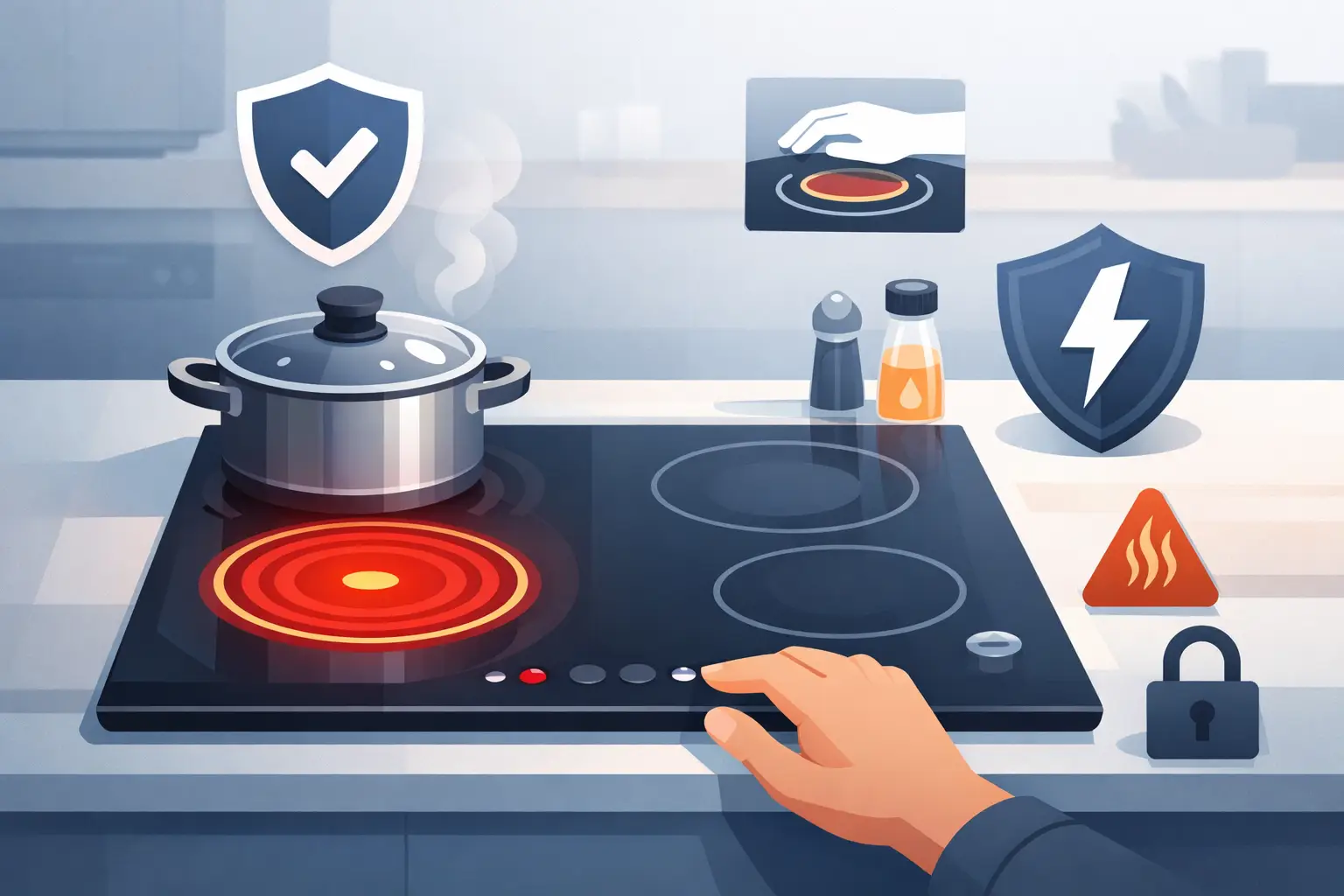
A busy kitchen does not give much warning before something goes wrong. A pan boils over, a child reaches for the controls, or a surface still looks harmless long after cooking ends. That is why electric hob safety features are not just nice extras. They are part of what makes modern cooking feel easier, cleaner, and more dependable.
For many households, the hob is one of the most frequently used appliances in the kitchen. In commercial settings, it works even harder. Safety features help protect people, reduce avoidable accidents, and support better cooking habits without getting in the way of performance. The best designs do both – they give you speed and control while quietly reducing risk in the background.
Why electric hob safety features matter in daily use
Safety in the kitchen is often less about dramatic incidents and more about everyday mistakes. You turn off the wrong zone, leave a pot on too long, or forget that the cooking surface is still hot. These are common moments, especially in homes with children, older family members, or multiple people cooking at once.
A well-designed electric hob helps manage those moments. Instead of expecting users to be perfect every time, it adds layers of protection. That makes the appliance more forgiving and the kitchen more comfortable to use.
This matters just as much for people who cook often as it does for those who cook occasionally. If you prepare meals every day, safety features support consistency and peace of mind. If you cook less often, they help compensate for inexperience or distraction.
The electric hob safety features worth looking for
Not every model includes the same protections, and not every feature will matter equally to every user. Still, a few functions stand out because they solve real, common problems.
Residual heat indicators
This is one of the most useful and most overlooked features. After the hob is switched off, the surface can remain hot enough to burn skin or damage anything placed on it. A residual heat indicator tells you clearly that the zone is still hot.
That simple warning can prevent a lot of accidents. It is especially helpful in family kitchens where someone else may approach the hob after cooking is finished. It also supports cleaner cooking because you are less likely to wipe the surface too early or place plastic utensils where they should not be.
Child lock and control lock
In many homes, curious hands reach the kitchen before caution does. A child lock prevents the hob from being turned on accidentally or having settings changed during use. A control lock offers a similar benefit by stopping unplanned adjustments while cooking.
This feature matters for more than households with small children. It is also useful in busy kitchens where someone may brush against the controls or where cleaning the control panel could trigger changes. A locked control system adds stability when the pace of the kitchen picks up.
Automatic shut-off
Automatic shut-off is one of the strongest examples of safety working quietly in the background. If a zone has been left on for too long or reaches an unsafe condition, the hob powers down automatically.
The exact logic varies by model. Some systems respond to extended operating time, while others detect overheating or a lack of cookware interaction. Either way, the benefit is clear. If attention shifts away from the kitchen, the hob can reduce the chance of prolonged heat exposure, scorched cookware, or wasted energy.
Overflow detection
Boilovers are common, especially during multitasking. Water, soup, or sauce can spill onto the control area and create both mess and confusion. Some electric hobs include overflow detection that responds by shutting down the controls or switching off the affected zone.
This is a practical feature rather than a flashy one, but it makes a real difference. It helps prevent controls from behaving unpredictably when wet and can reduce the risk of continued heating after a spill.
Overheat protection
Cooking should be fast, but not at the expense of the appliance itself. Overheat protection monitors internal temperature and prevents the hob from operating beyond safe limits. This matters for durability as much as safety.
In a household kitchen, overheat protection can help when cookware is empty, poorly positioned, or left on high heat for too long. In a commercial or high-use environment, where appliances are expected to perform repeatedly through long service hours, this feature becomes even more valuable.
Pan detection
Some electric hobs can detect whether suitable cookware is present on the cooking zone. If no pan is detected, the heating function may not activate or may switch off automatically.
This feature improves energy efficiency, but the safety benefit is just as important. It reduces the chance of an active zone heating with nothing useful on it, which can happen if a pan is removed and the power remains on.
Safety and convenience should work together
A good hob should not feel complicated just because it is safer. In fact, the strongest safety features are often the ones that fit naturally into the cooking experience. Clear displays, intuitive touch controls, stable temperature response, and easy-to-read indicators all contribute to safer use.
That is an important point because appliance safety is not only about emergency protection. It is also about reducing friction. When controls are confusing, mistakes happen more easily. When the cooking surface is hard to read, users are more likely to leave heat on by accident. Design plays a major role in safety, even when it is not marketed as a specific feature.
For this reason, modern electric hobs are often a smart choice for people who want a kitchen that feels both refined and practical. They support a cleaner layout, easier maintenance, and better visibility while offering protections that suit real daily use.
Choosing the right level of protection for your kitchen
The right combination of features depends on how you cook and who uses the kitchen. A family household may place more value on child lock, residual heat indicators, and easy-clean surfaces that reduce post-meal hazards. A serious home cook may focus on overheat protection, responsive controls, and pan detection. A restaurant operator or business owner may prioritize durability, automatic shut-off logic, and stable performance during long cooking hours.
There is also a budget question. Entry-level models may include core protections but fewer advanced functions. Premium options often add smarter sensors and more precise control systems. More features can be worthwhile, but only if they match your actual cooking habits.
It also helps to think about who shares the kitchen. If multiple family members cook, or if the appliance will be used by staff with varying levels of experience, clearer safety systems are often worth the investment. They create consistency, and consistency is one of the strongest forms of kitchen safety.
What safety features cannot replace
Even the best electric hob safety features do not remove the need for good habits. Cookware still needs to match the hob properly. Handles should be turned inward when possible. Spills should be cleaned once the surface is safe to touch. Children should still be supervised around active cooking zones.
This is where expectations should stay realistic. A hob can reduce risk, but it cannot eliminate it. Safety features work best when they support attentive use rather than replace it.
That balance is what makes a quality appliance stand out. It should feel reassuring without feeling restrictive. It should protect the cooking experience while preserving speed, precision, and comfort.
A modern kitchen should feel safer, not more stressful
When people invest in a new hob, they often focus first on appearance, speed, and cooking power. Those things matter. But safety is what makes that performance sustainable over time. A kitchen should help you move with confidence, whether you are preparing a quick weekday dinner, cooking for guests, or managing heavier daily demand.
At VEES, that balance between performance, design, and protection reflects what modern kitchens truly need. The right electric hob does more than heat pans quickly. It supports better routines, smoother cooking, and more reassuring moments around the people who matter most.
If you are comparing options, look past the surface finish and power ratings for a moment. The features that protect your hands, your home, and your rhythm in the kitchen are often the ones you will appreciate most after the first meal is done.