
Cart 0

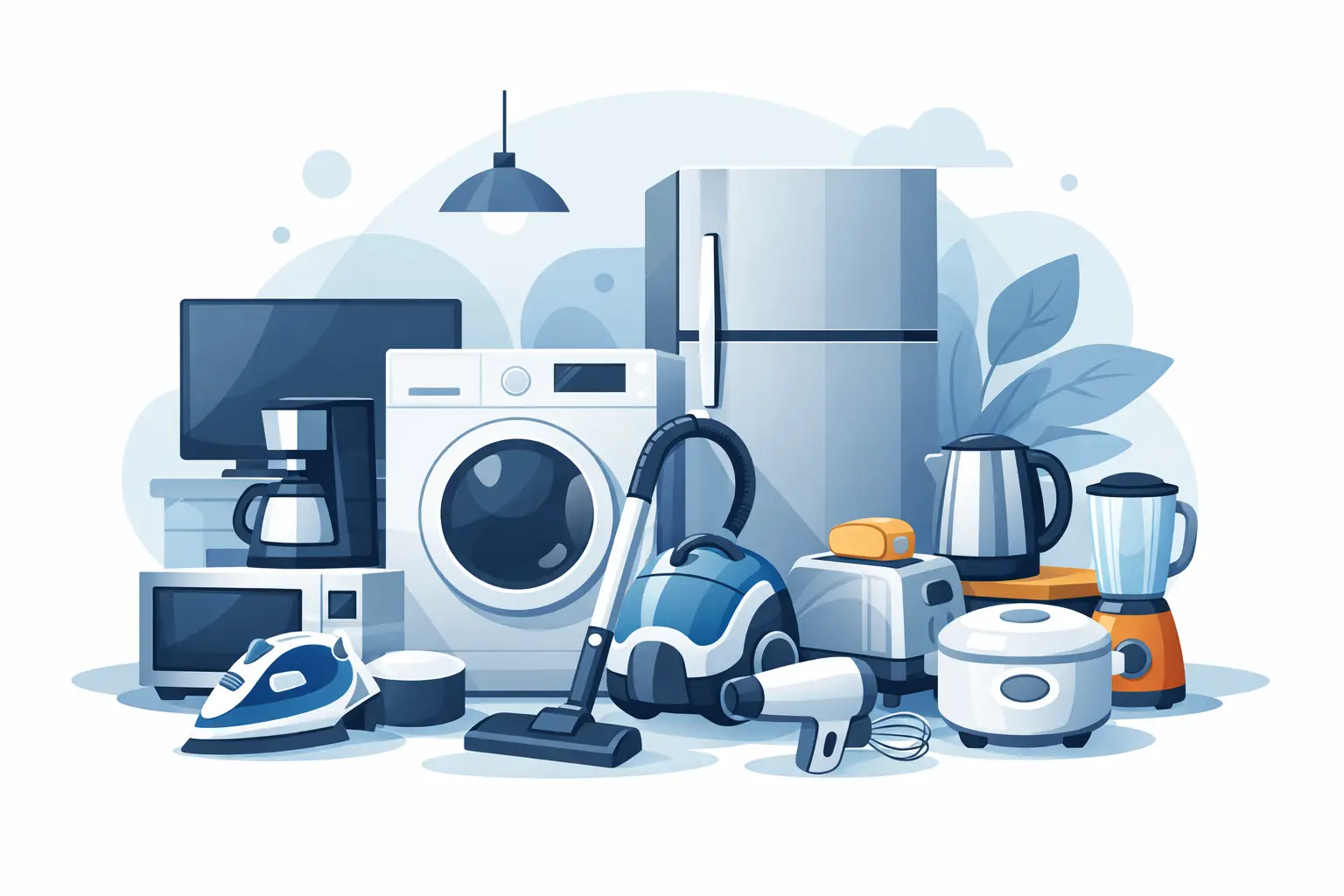
A kitchen can look complete and still feel slow. The difference usually comes down to the appliances – the machines that handle the work behind daily routines, from boiling water before sunrise to cooking dinner for a full table. So, what are household appliances? They are the electrical or gas-powered devices used in the home to make everyday tasks easier, faster, safer, and more consistent.
That definition sounds simple, but in real life, household appliances cover far more than a few basic machines. They shape how a home functions, how efficiently meals get made, and how much effort it takes to keep up with family life. For homeowners, food lovers, and busy households, understanding what counts as an appliance helps when planning a kitchen, upgrading a home, or deciding where to invest for better daily convenience.
What are household appliances in practical terms?
Household appliances are machines designed for domestic use. They typically run on electricity, gas, or both, and they support routine tasks like cooking, cooling, cleaning, food storage, and air handling. In most homes, the term includes everything from a refrigerator to an oven, from a range hood to a rice cooker.
What makes an item a household appliance is not just that it uses power. It also serves a practical function that reduces manual effort and improves efficiency. A decorative lamp may be electrical, but it is not usually considered an appliance. A gas hob, on the other hand, clearly is, because it is built to perform a core household task with reliability and control.
In everyday conversation, people often think first of kitchen products when they ask what are household appliances. That makes sense. The kitchen is where appliances have the most visible impact on daily comfort, time savings, and home design. Cooking equipment, ventilation, and food preparation tools often define how well a modern household operates.
Major types of household appliances
The easiest way to understand household appliances is to group them by function. Some are essential in almost every home, while others depend on lifestyle, cooking habits, available space, or budget.
Kitchen appliances
Kitchen appliances are among the most used household machines. These include refrigerators, ovens, gas hobs, electric hobs, electric cookers, microwaves, range hoods, blenders, kettles, and dishwashers. Their role is to support food storage, preparation, cooking, and cleanup.
Some kitchen appliances are built in and become part of the kitchen layout. Ovens, cooktops, and hoods often fall into this category. Others are portable countertop models used as needed. The right mix depends on how often you cook, what kind of meals you prepare, and whether your kitchen needs to serve a large family or a lighter daily routine.
Cleaning appliances
These are appliances that help maintain cleanliness in the home. Washing machines, dryers, vacuum cleaners, steam mops, and dishwashers fit here. Their value is easy to measure – less time spent on chores and more consistent results.
In busy homes, cleaning appliances are not a luxury. They are part of the structure that keeps daily life manageable. The same is true in shared households or homes with children, where volume and frequency matter.
Cooling and preservation appliances
This category includes refrigerators, freezers, wine coolers, and similar units that preserve food and beverages. These appliances protect freshness, reduce waste, and make meal planning more flexible.
For many households, refrigeration is one of the most important appliance investments because it affects both convenience and food safety. Capacity, energy use, and internal layout can matter just as much as appearance.
Comfort and air appliances
Air conditioners, fans, heaters, dehumidifiers, and air purifiers are also household appliances. They regulate comfort, temperature, and indoor air quality. In warmer climates especially, these appliances are part of everyday living rather than occasional extras.
Large appliances vs. small appliances
Another common way to classify household appliances is by size and installation.
Large appliances, sometimes called major appliances, are bigger units that often stay in one place. Refrigerators, ovens, washing machines, range hoods, and cooktops are typical examples. These usually involve a more serious purchase decision because they affect layout, utilities, and long-term performance.
Small appliances are portable or countertop products such as toasters, rice cookers, air fryers, coffee makers, and mixers. They are easier to move and replace, but they still play a major role in convenience and speed.
Neither category is automatically more important. A small appliance used every day can deliver more visible value than a large appliance used only occasionally. It depends on the household. A family that cooks breakfast and dinner daily may rely heavily on a cooker and kettle, while someone who hosts often may place more value on an oven and ventilation setup.
Why household appliances matter more than people think
Appliances are easy to notice when they stop working, but their value goes well beyond basic function. They shape how a home feels to live in.
A well-chosen oven gives more reliable cooking results. A strong range hood helps keep the kitchen fresher and more comfortable. An efficient electric cooker can shorten preparation time on busy weekdays. These are practical upgrades, but they also support something bigger – more enjoyable meals, smoother routines, and more confidence in the kitchen.
That is why modern buyers often look for more than simple operation. They want appliances that save time, support safety, fit the visual style of the home, and hold up to regular use. Performance matters, but so does the experience of using the appliance every day.
What to look for when choosing household appliances
If you are asking what are household appliances because you are planning to buy some, the better question is which ones fit your lifestyle best. Not every home needs the same setup.
Start with usage. Think about how often the appliance will be used, who will use it, and what problem it is meant to solve. A household that cooks every night may benefit more from a reliable hob and oven than from trend-driven countertop gadgets. A home with limited kitchen space may need compact appliances with multi-function value.
Build quality should be high on the list. Appliances are long-term tools, especially in the kitchen. Materials, heat resistance, control quality, and ease of cleaning all affect satisfaction over time. Durable construction often pays off through more consistent performance and fewer interruptions.
Safety is another major factor. For cooking appliances, this can mean stable flame control, secure installation, proper ventilation, heat-resistant surfaces, and dependable shutoff features. In a family home, safety is not a bonus feature. It is part of what makes an appliance worth owning.
Design also matters, but not only for appearance. Good design improves workflow. Controls should feel intuitive, surfaces should be easy to maintain, and the appliance should fit naturally into the kitchen without making the space feel crowded. The best appliances support both function and visual balance.
Household appliances for home and professional-style cooking
The line between household and commercial expectations has become much narrower. Many homeowners now want faster heating, stronger ventilation, better cooking control, and more polished finishes because home kitchens are expected to do more than ever.
That does not mean every home needs restaurant-grade equipment. It means buyers are increasingly looking for household appliances that bring professional-style performance into everyday cooking. A dependable gas hob, a precise electric cooker, or a well-designed oven can make a noticeable difference without overwhelming the home.
This is especially true for families who cook often, entertain regularly, or simply want the kitchen to work as beautifully as it looks. Brands like VEES have built their reputation around that balance – practical speed, durable performance, modern design, and safety-focused engineering for real daily use.
Common misunderstandings about household appliances
One common misconception is that all powered household items are appliances. In practice, the term usually applies to machines that perform a defined domestic task, not every electronic object in the house.
Another misunderstanding is that more appliances always mean more convenience. Sometimes the opposite is true. A crowded kitchen filled with rarely used machines can create clutter and slow down workflow. Choosing fewer, better appliances often leads to a more efficient and enjoyable space.
People also assume that appearance and performance are separate decisions. In a well-planned kitchen, they should work together. An appliance should look right in the room, but it should also earn its place through everyday usefulness.
What are household appliances really for?
At their best, household appliances do more than automate chores. They support the rhythm of home life. They help parents prepare meals faster, give home cooks better control, and make kitchens feel more capable and welcoming.
That is why this category matters so much. When you understand what household appliances are, you can make smarter choices about the products that deserve a place in your home. The right ones do not just fill space on a counter or wall. They make daily living easier, cooking more enjoyable, and shared moments around food a little more effortless.